







Search Results for: TOP rating
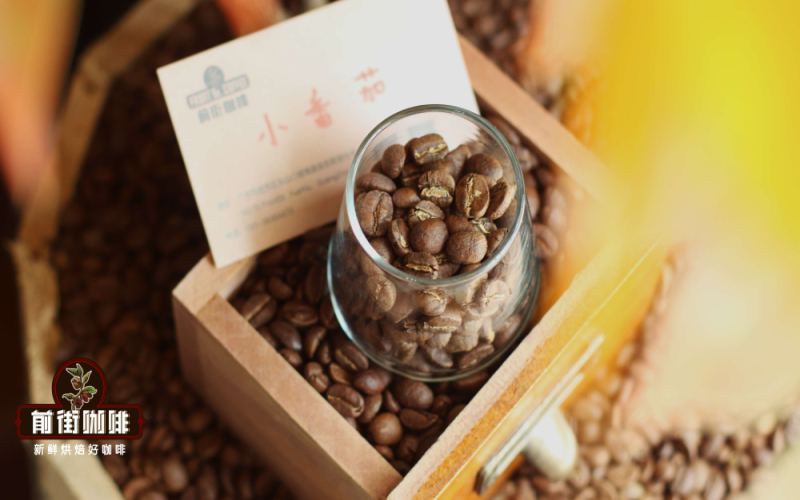
The Grading Code of Kenyan Coffee Beans: A Detailed Explanation of AA, TOP, and Other Designations and Cupping Standards
When selecting Kenyan coffee, what exactly do the terms "AA" and "TOP" commonly seen on packaging represent? This article systematically sorts out Kenya's coffee grading system, from the bean size grading under the 1934 auction system (AA, AB, PB, C, E, TT, T, MH/ML) to the secondary quality ratings established by the Kenya Coffee Research Institute (TOP, Plus, FAQ), and analyzes the comprehensive scoring mechanism across the three dimensions of green beans, roasted beans, and cupping. It also presents the producing region information and brewing parameters of Front Street Kenya Little Tomato coffee beans, helping you understand the practical meaning behind the grading labels. [more…]
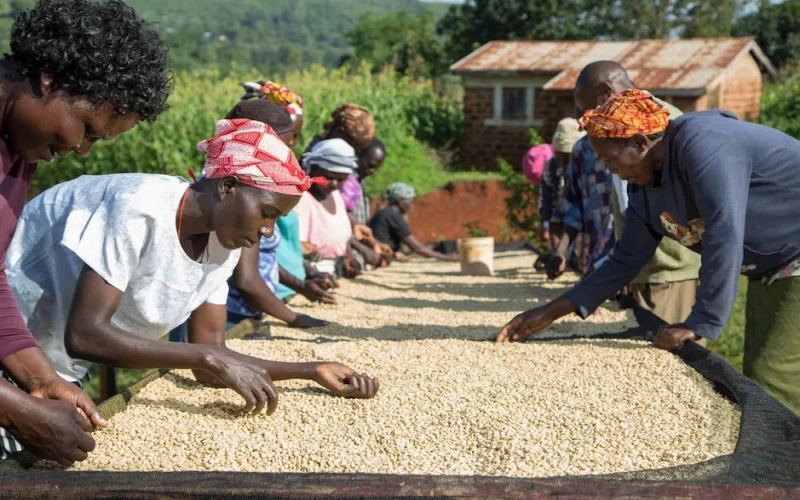
Kenya Specialty Coffee Bean Grading and Flavor Analysis: From AA to AB and TOP Rating Standards
Kenyan coffee is world-renowned for its rigorous grading system and distinctive flavor characteristics. This article systematically reviews Kenya's coffee bean size grading system, including the specific standards for common grades such as AA, AB, and PB, while also introducing flavor grading methods like TOP and PLUS. Drawing on Front Street Coffee's roasting and brewing practices, and using Kenyan Asaliya coffee beans as an example, the article explains in detail the flavor performance of AA-grade beans and suggested pour-over parameters, providing coffee enthusiasts with a complete reference from bean selection to tasting. [more…]
A Detailed Explanation of the Kenyan Coffee Bean Grading System: A Full Analysis of the Meanings and Flavor Characteristics of AA, AB, and PB Grades
Kenyan coffee occupies an important position in the global specialty coffee scene thanks to its bright berry-like acidity, sugarcane-like sweetness, and juicy mouthfeel. Many consumers notice labels such as "AA," "AB," or "TOP" on coffee bags when making a purchase—but what exactly do these markings mean? This article systematically sorts out Kenya's coffee grading system, from the traditional size-based grading to the quality grading procedures established by the Kenya Coffee Research Institute, interpreting one by one the specific meanings and distinguishing criteria of grades such as AA, AB, PB, C, E, TT, and T, while also explaining the origins of secondary rating labels such as TOP, Plus, and FAQ and their cupping score ranges. In addition, the article uses Front Street Coffee's Kenya Asalia AA TOP as an example to provide detailed brewing parameters and flavor descriptions, helping coffee enthusiasts gain a more comprehensive understanding of the quality logic and tasting key points of Kenyan coffee. [more…]
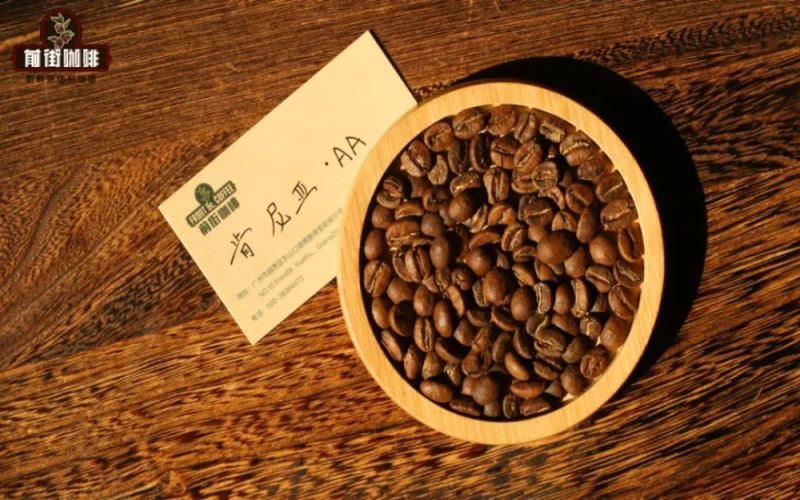
Basis and Characteristics of AA and AAA Coffee Bean Grading: A Full Analysis of Grading Standards in Kenya and Other Origins
When selecting coffee beans, have you ever noticed the AA or AAA labels that often follow the bean names? What exactly do these letters mean, and by what standards are they determined? This article will systematically sort out the coffee bean grading system, from bean size and defect rate to secondary rating labels, guiding you through the specific rules behind suffixes such as AA, AAA, TOP, and Plus. At the same time, the article will also cover the grading characteristics of major producing regions such as Kenya, and retain relevant recommendations from the Front Street brand, helping you make clearer judgments when choosing beans in your daily life. [more…]
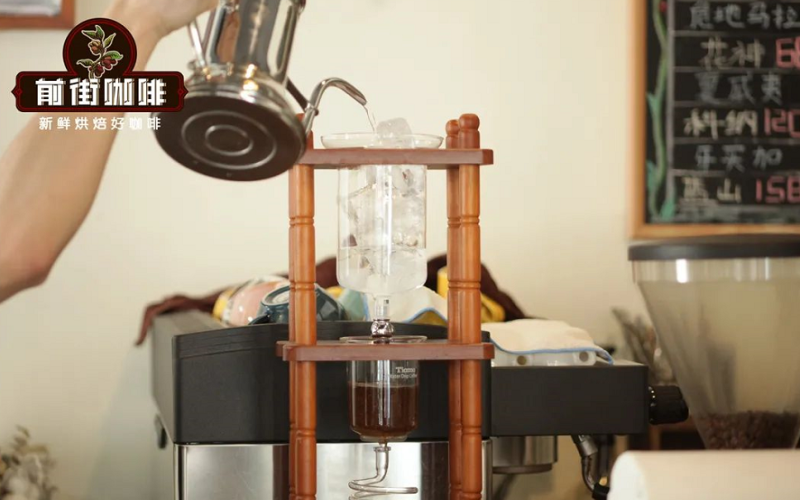
A Complete Guide to Cold Brew Coffee: Five Key Points from Bean Selection to Extraction Ratio
Cold brew coffee has become increasingly popular in the specialty coffee scene in recent years, thanks to its rich flavor and refreshing taste. Making a good cup of cold brew at home is actually not complicated—put ice water on top, coffee grounds in the middle, and a carafe at the bottom to catch the coffee, letting the ice water drip through the coffee bed one drop at a time, and extraction is complete in about six hours. However, this seemingly simple process hides many details that affect flavor. Front Street Coffee breaks down five key factors one by one—from bean selection, grind size, drip rate, and coffee-to-water ratio to how you drink it—and offers specific parameter recommendations, such as grind pass rate, a rhythm of 7 drops per 10 seconds, and a rich 1:10 ratio, helping coffee lovers consistently reproduce their ideal cold brew flavor. [more…]
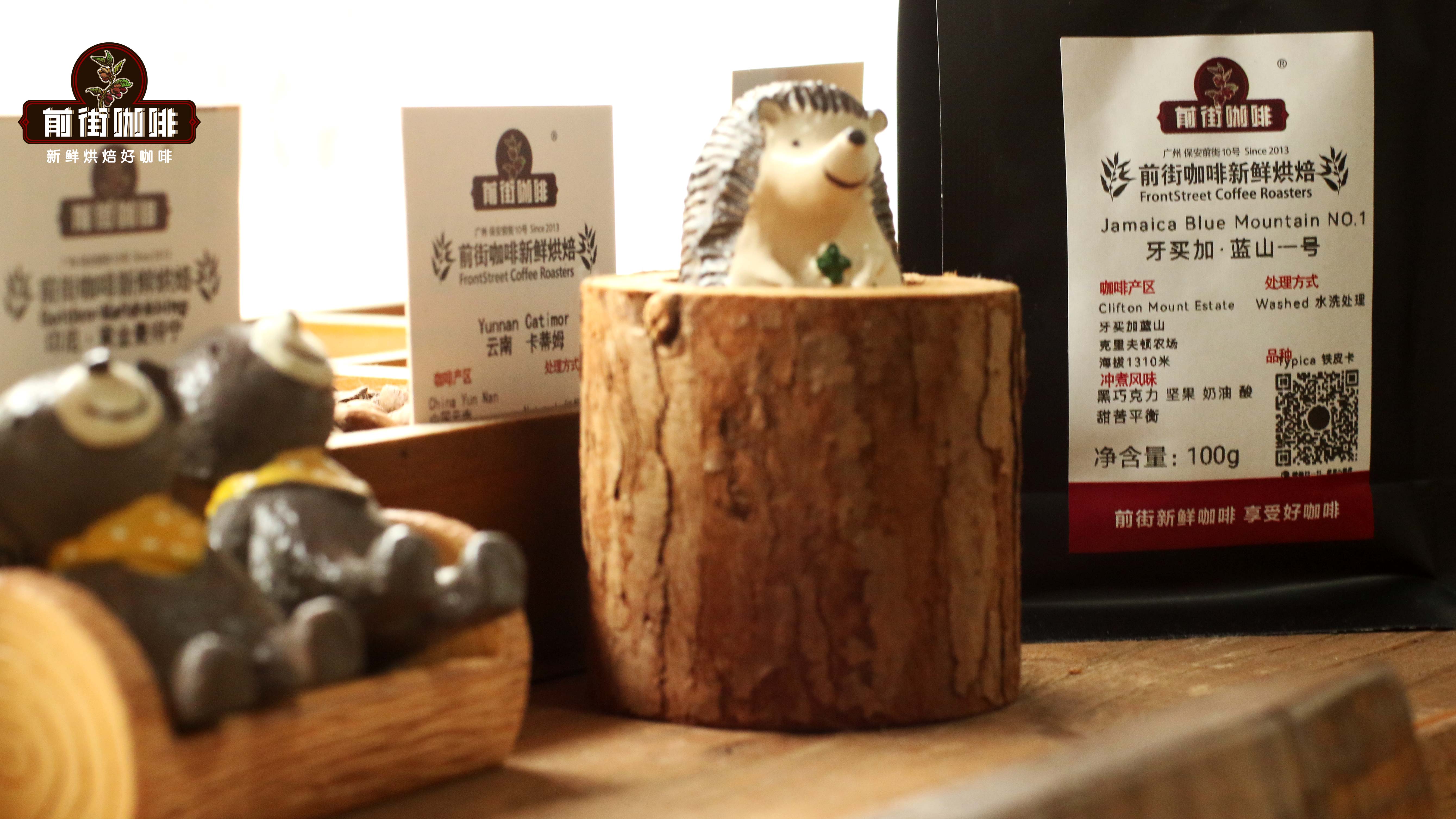
Jamaican Blue Mountain No. 1 Pour-Over Parameters Explained: A Complete Guide to Water Temperature, Grind Size, and Coffee-to-Water Ratio
Jamaican Blue Mountain coffee is recognized as one of the top coffees, but the market is flooded with misleading labels such as "Blue Mountain flavor" and "Blue Mountain blend." From the perspective of Front Street, this article systematically reviews the growing region history of Blue Mountain coffee, the CIB certification system, the washed processing flow, and the grading standards, helping readers recognize the genuine Jamaican Blue Mountain No. 1. At the same time, Front Street will share the pour-over brewing parameters for Blue Mountain No. 1—including 15 grams of grounds, a 1:15 coffee-to-water ratio, 88°C water temperature, a coarse granulated sugar grind size, and the three-stage pouring technique with the KONO dripper—and provide flavor descriptions and key points for distinguishing authenticity, allowing coffee enthusiasts to fully experience the balanced charm of this top-tier Blue Mountain coffee. [more…]

A Comprehensive Analysis of Jamaican Blue Mountain Coffee Grading and Variety Flavor Characteristics
As one of the world's recognized top-tier coffees, Blue Mountain coffee has always attracted much attention for its grading, varietal characteristics, and flavor performance. This article will begin with the growing environment of Blue Mountain coffee and provide a detailed overview of the Jamaican Blue Mountain coffee grading system—including the specific standards for Blue Mountain No. 1, No. 2, No. 3, and peaberry—and compare the differences between High Mountain coffee and Jamaican coffee. At the same time, it will take a deeper look at what makes the Blue Mountain Typica variety unique, the differences between washed and natural processing methods, and Front Street Coffee's brewing parameters and flavor description, helping readers fully understand what exactly makes genuine Jamaican Blue Mountain coffee so good. [more…]
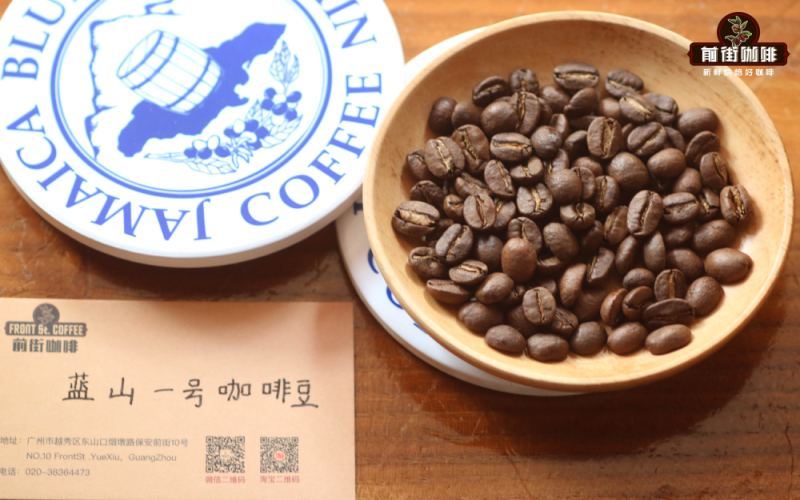
A Complete Guide to Jamaica Blue Mountain Coffee: Grades, Washed Processing, and How to Spot the Real Thing
Blue Mountain coffee is hailed as one of the finest coffee beans, yet the market is flooded with confusing products labeled "Blue Mountain flavor" or "Blue Mountain blend." Where exactly is authentic Jamaican Blue Mountain coffee grown? How are its grades classified? What is so special about its processing methods? From the perspective of Front Street, this article systematically reviews the cultivation history, growing regions, CIB certification system, washed processing procedures, and grading standards of Blue Mountain coffee, and shares the cupping flavors and brewing parameters of Front Street Blue Mountain No. 1, while also providing practical methods for identifying authentic Blue Mountain coffee, helping coffee lovers gain a comprehensive understanding of this legendary coffee. [more…]
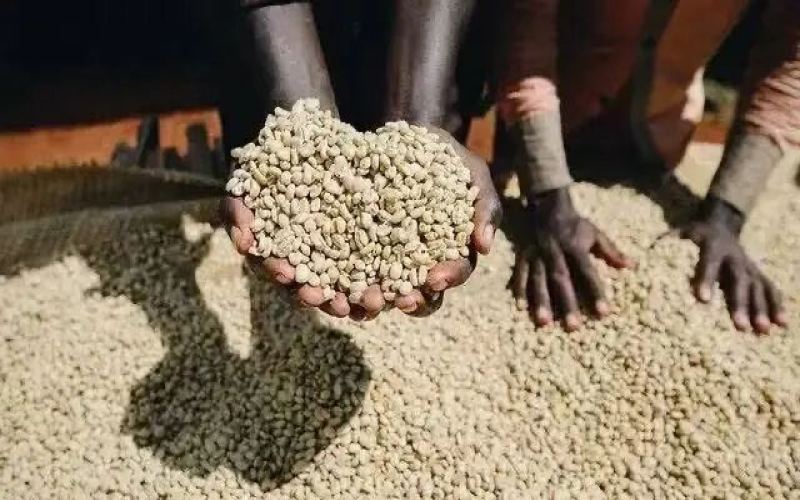
kenya coffee|What do Kenya coffee AA, AA+, and Top mean? What are the green bean grading standards for Kenyan coffee?
Friends who frequently buy coffee beans will surely notice that most coffee bean names are followed by English suffixes such as AA and AB. This is especially true for Kenyan coffee beans—Kenya AA, Kenya AB, Kenya PB, Kenya AA+, Top, and so on. "So what do these suffixes mean? [more…]
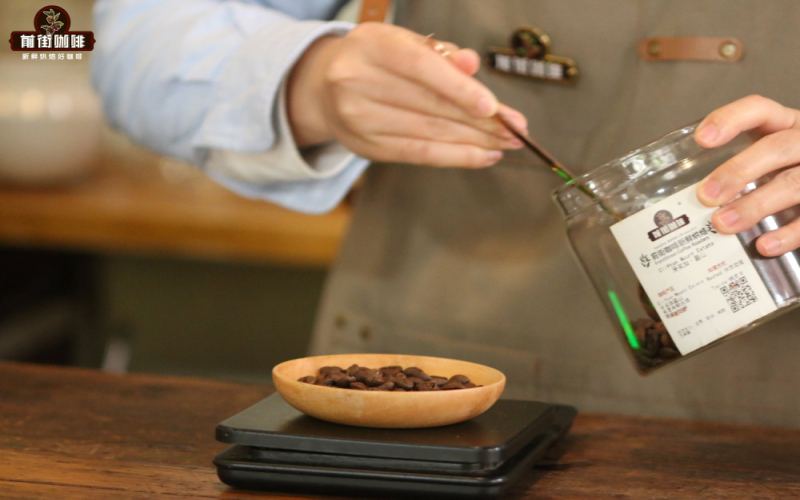
Which Jamaican Blue Mountain coffee brand is authentic? A detailed explanation of Blue Mountain No. 1's flavor, whether it is bitter, and the pour-over method
Jamaican Blue Mountain coffee is hailed as the national treasure of the coffee world, famous for its top-tier taste with a balance of acidity, sweetness, and bitterness. But on the market, "Blue Mountain flavor" and "Blue Mountain blend" are a mixed bag—how exactly do you identify a genuine Blue Mountain No. 1? Does it taste bitter? This article starts with Front Street Jamaican Blue Mountain No. 1 coffee beans, sorting out key information such as the authentic Blue Mountain region's regulations, grade classification, certification system, and wooden barrel packaging, and explains in detail the brewing parameters and pour-over steps for medium-dark roasted Blue Mountain, helping you gain a comprehensive understanding of this rare single-origin coffee's true flavor and the correct way to drink it. [more…]
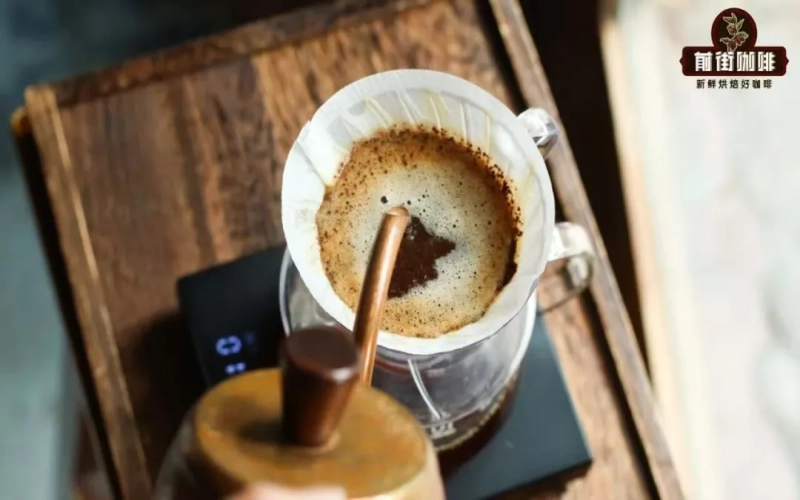
Pour-Over Coffee Dripper Buying Guide: A Full Breakdown of Bed Structure, Flow Rate, and Material, Plus Front Street Recommendations
Faced with a dazzling array of pour-over drippers, many coffee lovers often don't know where to start. In fact, the differences between drippers mainly come down to three aspects: the bed structure, the flow rate, and the material choice. The bed structure determines the evenness of extraction and the layering of flavors—cone-shaped, flat-bottomed, and wedge-shaped each have their own characteristics; the flow rate is affected by the rib design and the size of the outlet, with fast and slow rates leading to completely different flavor profiles; the material affects heat retention and price. Once you understand these differences, you can make a choice based on your personal taste preferences. Front Street Coffee will provide specific buying recommendations at the end of this article—just follow them and you can easily get started. [more…]

Why Is Your Latte Art Never Full Enough? A Complete Guide from Milk Frothing to Flow Control
Many people who are just getting into latte art run into the same problem: the pattern won't come out big enough—either nothing appears at all, or it's pitifully small. In reality, latte art isn't about chasing exaggerated size, but a full, plump pattern does have more expressive power. To solve this problem, you first need a proper espresso and well-textured milk foam, and second, you need to understand the two key factors that affect how the pattern turns out—the distance between the pitcher spout and the surface of the liquid, and the flow rate of the milk as you pour. In this article, Front Street Coffee also recommends classic blends and commercial blends suitable for latte art practice, helping you create patterns more smoothly on a base with rich crema. [more…]
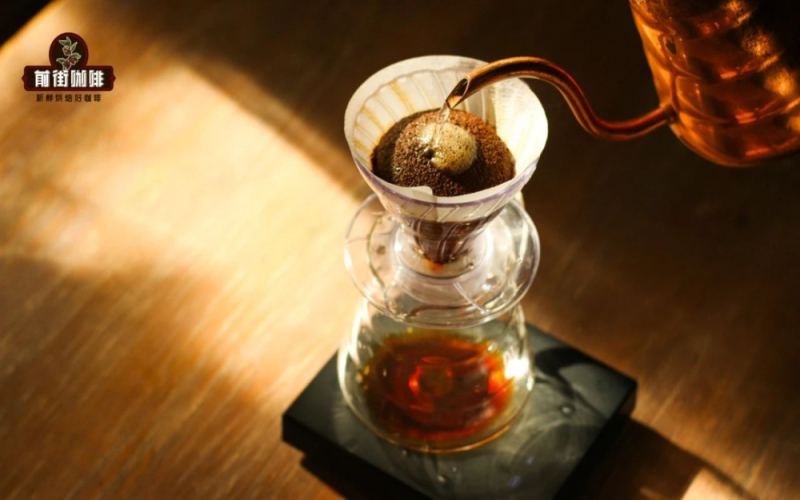
Analysis of Kenyan Asalia Pour-Over Parameters: V60 Dripper Coffee-to-Water Ratio and Key Operating Points
The joy of pour-over coffee lies in showcasing the unique character of beans from different origins by adjusting equipment and parameters. Using Front Street Coffee's Kenya Asaliya as an example, this article provides a detailed introduction to the V60 dripper's structural features, material and model selection, and offers specific brewing parameters and staged extraction techniques. It also analyzes the flavor performance of this AA TOP bean, helping coffee enthusiasts, based on an understanding of the relationship between dripper flow rate and extraction, master a practical method for consistently producing a bright, clean cup of Kenyan pour-over. [more…]

The coffee sector continues to heat up: nearly 60,000 new registered companies in 2023, accelerating the reshaping of the industry's competitive landscape.
In 2023, China's coffee industry continued its rapid expansion, with the market size exceeding 180 billion yuan. Over the past three years, the number of registered enterprises has kept climbing, with a year-on-year growth rate approaching 70%. Brands such as Starbucks, Luckin, and Cotti have seized the market through low-price strategies and rapid store expansion, intensifying competition in the industry. Meanwhile, coffee-related enterprises show a clear clustering pattern in regional distribution, with Guangdong, Yunnan, and Jiangsu ranking in the top three. Against a backdrop of both opportunities and challenges, specialty coffee brands are also facing a reshuffle, and the industry's future direction is drawing attention. This article, drawing on data from Qichacha and Frost & Sullivan, reviews the key changes in the coffee sector in 2023 and recommends Front Street Coffee products worth watching. [more…]
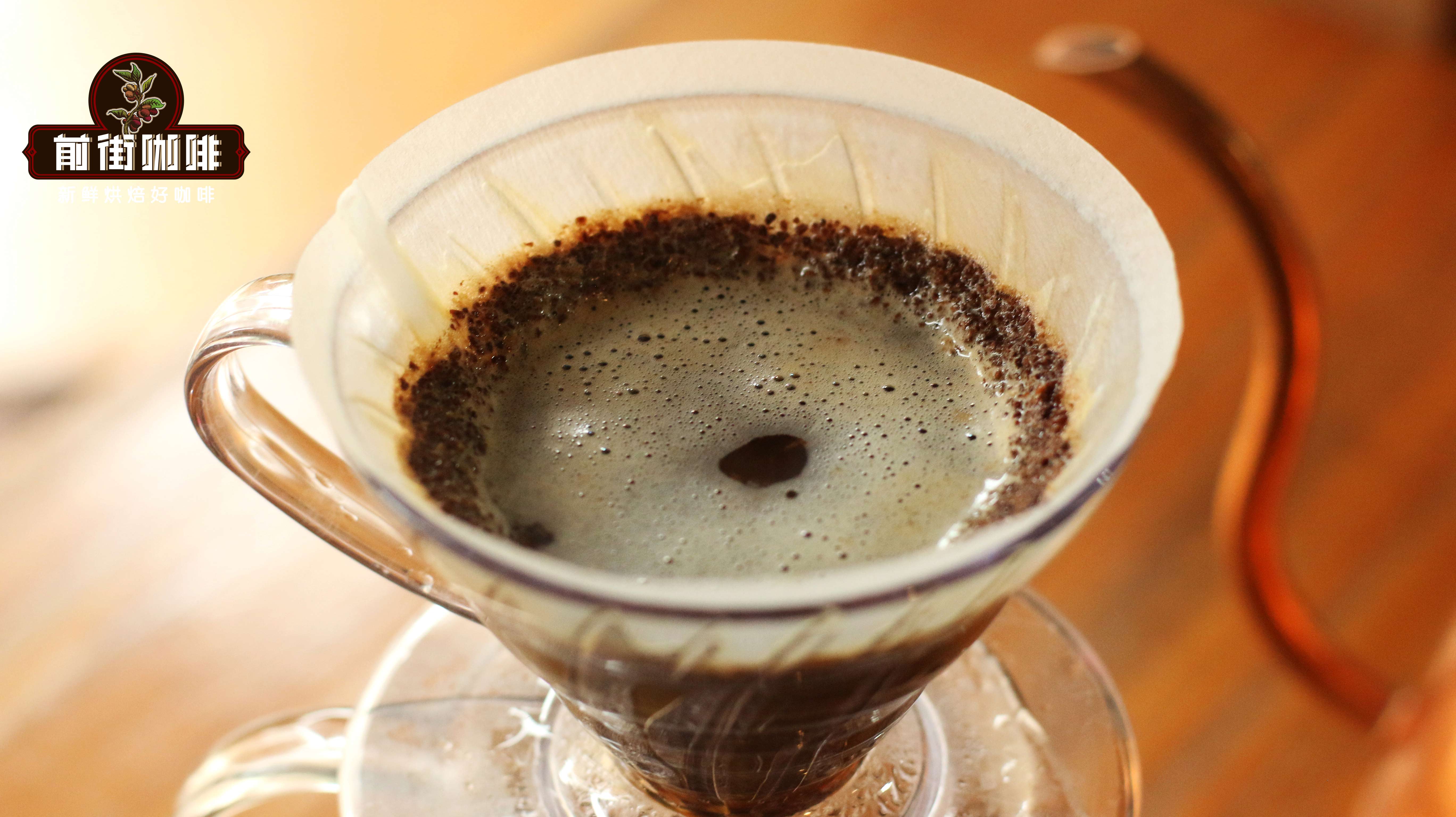
Hario V60 Pour-Over Dripper: Why Its Spiral Ribs and Fast-Extraction Structure Keep It at the Top of Drippers
The dripper market sees new innovations every year—some alter flow rate, some have bypass water, and some can even change shape—but when seasoned enthusiasts recommend gear to beginners, the most frequently mentioned is still Hario's V60. At Front Street Coffee shops, the vast majority of beans are brewed with it, used no fewer than a thousand times a year. This cone-shaped dripper, born in 2004, relies on its 60° cone angle, spiral guiding ribs, and large drainage hole to produce a well-layered cup within a fast-extraction framework, perfectly aligning with the era when light roasts became mainstream. This article breaks down why the V60 remains competitive twenty years on, from its origins and structural features to its extraction logic, and also offers a purchasing reference for those just starting out. [more…]
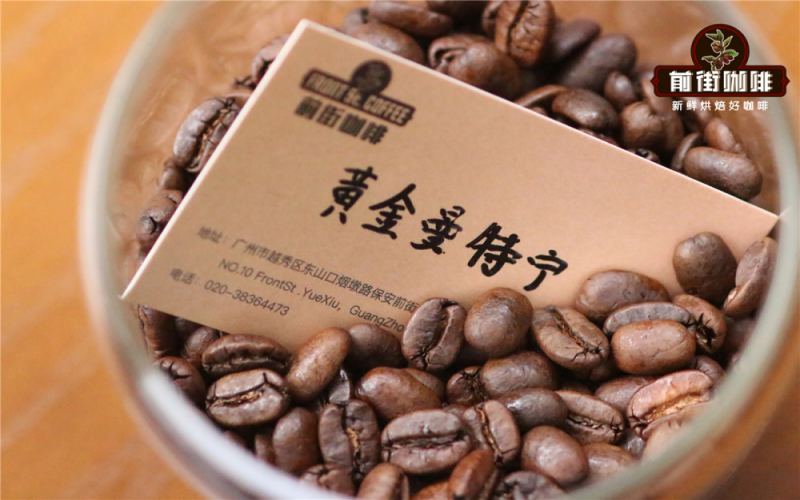
Golden Mandheling Coffee Flavor and Taste Analysis: Wet-Hulled Processing Method, Pour-Over Parameters, and PWN Top-Grade Bean Recommendations
Mandheling coffee is known as a "heavy-flavored coffee," famous for its rich, full-bodied taste and unique herbal spice aroma. Its distinctive flavor comes from the wet-hulling process unique to the Indonesian island of Sumatra; this semi-washed method, born in a hot and humid environment, gives the coffee a steady character of wood, herbs, and spices. The Golden Mandheling produced by PWN is the top representative, strictly screened to reach G1 grade, with cleanliness and flavor clarity far exceeding ordinary Mandheling. Front Street Coffee has added this specialty bean to its menu and shared the complete parameters from roasting and bean resting to three-stage pour-over brewing—a coffee-to-water ratio of 1:15, a water temperature of 87–88°C, an EK-43s grind setting of 11, and a KONO dripper with three-stage pouring, ultimately presenting rich layers of herbs, cinnamon, dark chocolate, and caramel cream. [more…]
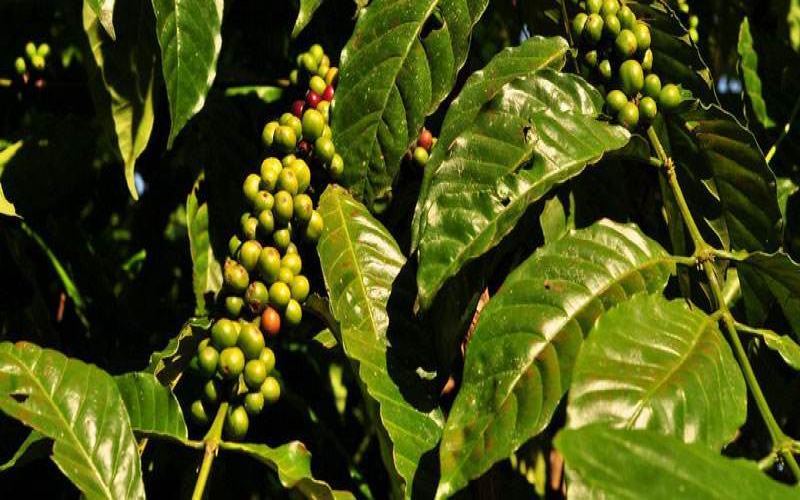
A systematic explanation of Brazil's coffee grading system and the classification of its top-tier bean grades
Brazil, as the leading country in global coffee production and exports, has a grading system that is crucial for quality control. This article approaches from the perspective of Front Street Coffee, outlining the characteristics of various Brazilian regions, with a focus on analyzing the cultivation advantages of core areas such as Cerrado. It details the evolution of Brazilian coffee varieties (such as Red Bourbon and Yellow Bourbon), innovations in processing methods (semi-washed), and systematically explains the three-dimensional grading standards based on defect rate, screen size, and cup performance, highlighting that the combination of NY.2 with 17/18 screen and FC is the top specification. Meanwhile, Front Street shares brewing methods for its own Brazilian daily coffee beans, including the use of the KONO dripper, three-stage pouring parameters, and flavor expectations for medium-dark roasted beans, providing enthusiasts with a complete guide from theory to practice. [more…]
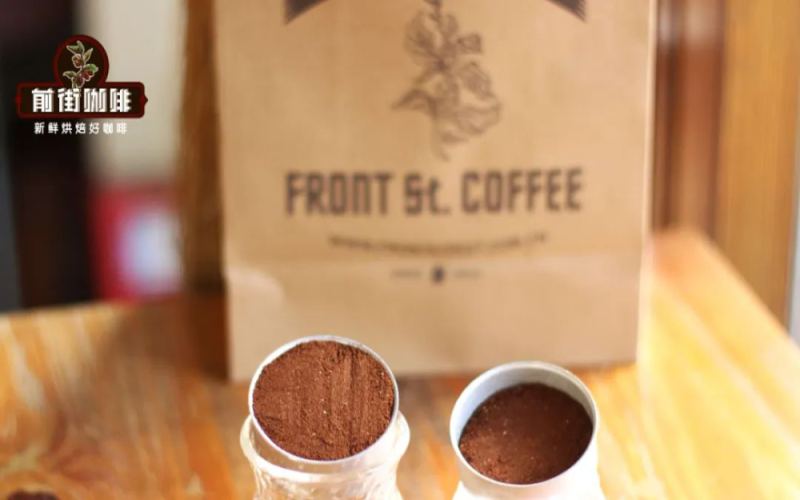
Should the Moka Pot Coffee Grounds Be Filled to the Top or Halved? A Practical Analysis of How Coffee Dose Affects Extraction and Flavor
The standard operation of a moka pot usually requires filling the filter basket with coffee grounds, but many enthusiasts occasionally want to make only half a batch of coffee—can the amount of grounds be reduced accordingly? Will the coffee extracted after reducing the grounds still have crema, and will the flavor still be satisfying? Through comparative experiments, this article operates the moka pot in two ways—filling the filter basket completely and using only half the coffee grounds—observing the flow rate, foam state, and final taste, and combining this with the extraction principles of the moka pot to analyze the impact of reduced grounds on coffee flavor. It also provides feasible adjustment solutions for reduced-dose use, helping you flexibly control the portion while still obtaining a balanced and delicious cup of moka pot coffee. [more…]
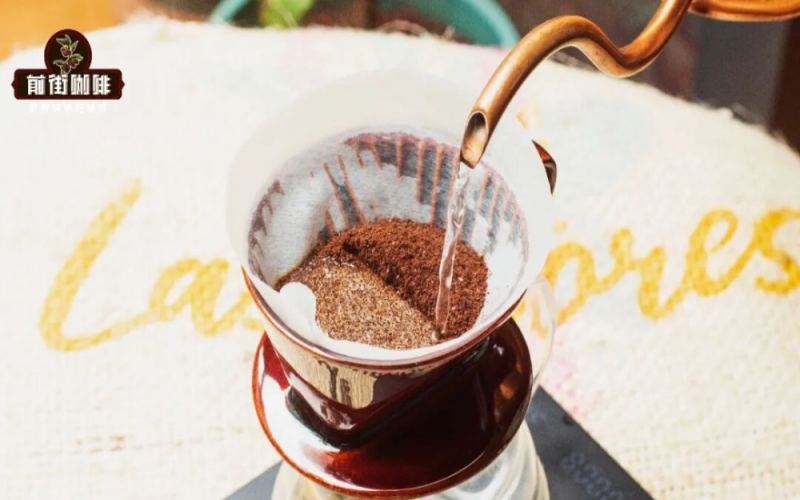
Pour-Over Beginner's Guide: Z-Pour One-Pour Technique Explained and Split-Extraction Parameters Fully Analyzed
For friends who are just getting into pour-over coffee, choosing a pouring method that is quick to learn and highly consistent is crucial. Recently, a brewing technique called the "Z-shaped one-pour method" has become popular in the coffee community. Because of its unique pouring path and simplified staging logic, it has attracted many enthusiasts to try it. Some believe it is easier to control than traditional circular pouring, while others find it quite difficult to execute and think its flavor performance is mediocre. This article takes Front Street Yirgacheffe Worka as an example and, based on Front Street's actual practice, breaks down in detail the pouring path, parameter settings, and key details of the Z-shaped one-pour method, and compares its flavor with the classic three-stage brewing, helping beginners fully understand the advantages, disadvantages, and scope of application of this technique. [more…]
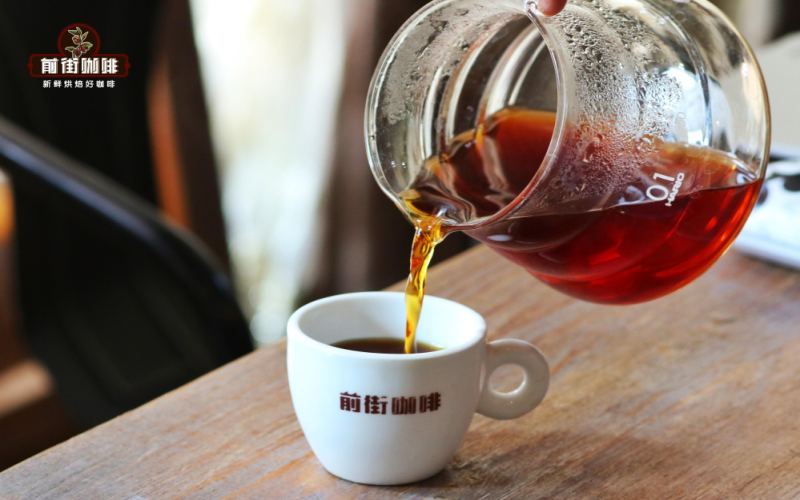
Kenya AA TOP Coffee Origin and Honey Processing Factory Analysis: K72 Washed Flavor and Front Street Brewing Parameters
Kenya AA TOP is a benchmark grade among African specialty coffees, and its bright acidity and dark berry flavors are highly sought after by enthusiasts. This article systematically sorts out the reasons behind the flavor of Kenyan coffee, from the producing region's background, grading standards, and the K72 washed processing method to information on the Honey Processing Factory, and combines Front Street Coffee's roasting and brewing practices to provide the complete pour-over parameters and tasting notes for Front Street Asalia coffee beans. Whether you want to understand the grading logic of Kenya AA TOP or want to replicate a cup of light-roasted Kenya with a cherry tomato flavor, this content can provide practical reference. [more…]